Learn about the Production Pharmacist job role, including key duties, required skills, qualifications, salary, and career growth in the pharma industry.
If you have ever wondered who makes sure your medicine is safe before it reaches the pharmacy, the answer is a production pharmacist. This person works behind the scenes in a drug factory. They watch over every step of making medicine, from mixing raw materials to packing the final tablets. In this blog, we will look at what a production pharmacist really does, the skills you need, and how you can grow in this career.
What is a Production Pharmacist?
A Production Pharmacist is a trained professional who works in a pharmaceutical manufacturing unit. Their main job is to make medicines on a large scale, following strict rules and safety standards. They do not deal directly with patients. Instead, they focus on the manufacturing process, from raw materials to the final packed product.
Think of them as the people who make sure every batch of medicine is exactly the same, every single time. If one batch is different from another, it can affect how well the medicine works. That is why this role needs focus, patience, and strong knowledge of pharmaceutical science.
What Does a Production Pharmacist Do?
The daily work of a production pharmacist can change based on the size of the company and the type of medicine being made. Still, most of their duties fall under a few common areas.
Daily Job Duties
- Plan and supervise the daily production schedule
- Check raw materials before they enter the production line
- Operate and monitor mixing, filling, and packing machines
- Keep batch records and production logs up to date
- Make sure the factory floor follows hygiene and safety rules
- Train new staff on machines and safety steps
Main Responsibilities
A production pharmacist handles many tasks every day. Some of the most important duties include:
- Medicine manufacturing: Overseeing the mixing, blending, and processing of raw materials into finished medicines.
- Quality checking: Testing samples at different stages to confirm the product meets quality standards.
- Documentation: Recording every step of the process for audits and regulatory approval.
- GMP compliance: Following Good Manufacturing Practices to keep the process safe and consistent.
- Team coordination: Working closely with QA, QC, and packaging teams to avoid delays.
- Safety procedures: Making sure staff follow hygiene and safety rules on the production floor.
Quality and Safety Checks
Quality is the heart of this job. A production pharmacist works closely with the quality control team to test samples at different stages. If something looks wrong, such as a change in colour, weight, or texture, they must stop the batch and find out why. This careful checking protects patients from receiving weak or unsafe medicine.
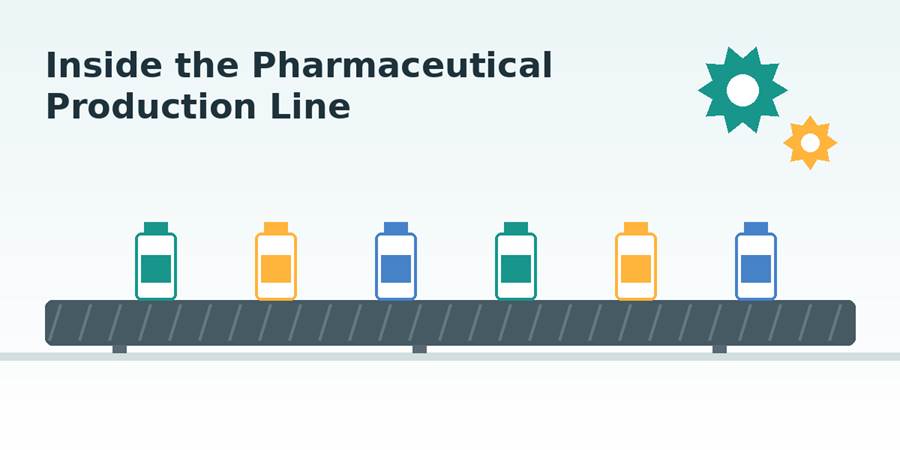
Machines, batch checks, and clean rooms are all part of daily factory life.
Skills Required
Not everyone can do this job well. It needs a mix of technical and soft skills. Here are the most important ones:
| Skill | Why It Matters |
| Attention to Detail | Prevents errors in dosage, labeling, and batch records. |
| Knowledge of GMP | Ensures every batch meets safety and quality standards. |
| Technical Skills | Helps operate and troubleshoot manufacturing equipment. |
| Documentation Skills | Keeps accurate records required for audits and approvals. |
| Problem-Solving | Helps fix production issues quickly without delays. |
| Team Coordination | Keeps production lines running smoothly with other staff. |
| Time Management | Ensures batches are completed within strict schedules. |
| Communication Skills | Helps report issues clearly to supervisors and QA teams. |
Technical Skills
- Good knowledge of drug manufacturing steps
- Understanding of Good Manufacturing Practice (GMP) rules
- Comfort with using production machines and software
- Basic knowledge of quality testing methods
Soft Skills
- Attention to detail, since small mistakes can be costly
- Clear communication with workers and managers
- Good time management to meet production targets
- Problem-solving when machines break down or batches fail
Educational Qualification
Required degree: Most companies ask for a Bachelor of Pharmacy (B.Pharm) or Diploma in Pharmacy (D.Pharm). Some senior roles may need a Master of Pharmacy (M.Pharm).
Registration: You must register with the State Pharmacy Council to work legally as a pharmacist in India.
Preferred certifications: Extra certifications in GMP, Quality Assurance, or Regulatory Affairs can boost your resume and help you stand out.
Extra training in Good Manufacturing Practice (GMP), quality assurance, or industrial pharmacy can help you stand out. Many pharmacists also study the official rules published by health authorities to stay updated.
To read the official manufacturing standards followed in the industry, you can check the FDA’s Current Good Manufacturing Practice (cGMP) regulations.
Work Environment
Production Pharmacists usually work inside pharmaceutical manufacturing plants. These places are clean, controlled, and follow strict hygiene rules. You may need to wear special gowns, gloves, and masks to avoid contamination. The work often happens in shifts since manufacturing units run for long hours. It can be physically demanding, but it also offers a stable and structured routine.
Salary and Career Growth
Salary in this field depends on experience, company size, and location. Pay for this role depends on the country, company size, and years of experience. Instead of guessing exact numbers, it helps to look at how the role grows over time.
| Career Level | Typical Experience | Main Focus |
| Trainee Pharmacist | 0–1 year | Learning plant rules and basic tasks |
| Production Pharmacist | 1–4 years | Running daily production and paperwork |
| Senior Production Pharmacist | 4–8 years | Handling batches and training new staff |
| Production Manager | 8+ years | Planning schedules and leading the team |
| Plant Head / Director | 12+ years | Managing the whole factory and its output |
For a broader look at pharmacist salaries and job outlook, the U.S. Bureau of Labor Statistics keeps updated data on pay and demand for pharmacists in general.
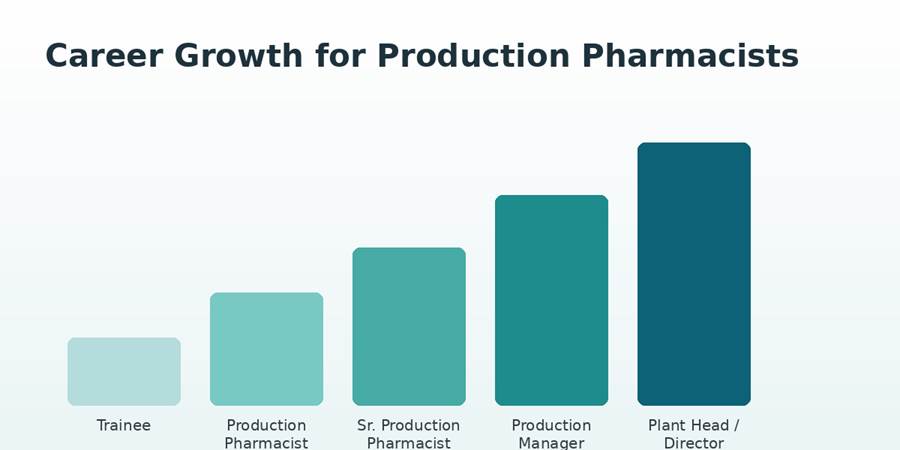
A clear path exists from trainee to plant head, with steady growth in pay and duties.
Tips to Succeed as a Production Pharmacist
- Learn the machines used in your plant, not just the theory
- Read GMP guidelines often so the rules stay fresh in your mind
- Build good relationships with the quality and packing teams
- Stay calm during audits and unexpected machine problems
- Keep learning new production methods and software tools
With time and experience, a production pharmacist can grow into roles like Production Manager, Plant Head, or even move into Quality Assurance and Regulatory Affairs departments.
Advantages of Becoming a Production Pharmacist
- Stable and in-demand career in the healthcare industry.
- Opportunity to work with the latest pharmaceutical technology.
- Clear path for growth into management roles.
- Good starting salary compared to many other pharmacy jobs.
- Chance to directly contribute to patient safety.
Challenges in This Job
- Long working hours, especially during high production demand.
- Strict rules that leave little room for error.
- Physical strain from standing and working in controlled environments.
- Constant pressure to meet production deadlines without compromising quality.
- Need to stay updated with changing regulatory guidelines.
Tips to Become a Successful Production Pharmacist
- Build a strong base in pharmaceutics and pharmaceutical chemistry during your studies.
- Learn about GMP and quality systems early in your career.
- Practice attention to detail in everything you do.
- Take up internships in manufacturing units before applying for full-time jobs.
- Stay updated with new regulations from health authorities.
Frequently Asked Questions (FAQ)
What does a Production Pharmacist do daily?
They oversee medicine manufacturing, check quality, complete documentation, and ensure GMP rules are followed on the production floor.
What qualification is needed for this job?
A B.Pharm or D.Pharm degree along with State Pharmacy Council registration is usually required.
Is the Production Pharmacist job role stressful?
It can be demanding due to strict deadlines and rules, but it becomes manageable with good time management and experience.
What is the average starting salary?
Entry-level production pharmacists in India typically earn between ₹2.5 LPA and ₹4 LPA, depending on the company.
Can a Production Pharmacist move into other roles?
Yes, many move into Quality Assurance, Regulatory Affairs, or management positions over time.
Conclusion
A production pharmacist plays a quiet but important part in healthcare. Without their careful eye, medicines would not reach patients safely or on time. If you enjoy science, teamwork, and hands-on problem solving, this career path can be both stable and rewarding. With the right degree, some hands-on training, and a habit of following rules closely, you can grow from a trainee to a plant head over time.
References
To learn more about global manufacturing standards, visit the World Health Organization (WHO) Good Manufacturing Practices page.
For US-specific guidelines on drug manufacturing, check the U.S. Food and Drug Administration (FDA) cGMP Regulations page.
People also interested in these articles
- D Pharmacy Salary Per Month in Government Hospital (2026 Guide)
- B Pharmacy Salary in Government Hospital: Full 2026 Guide
- State-Wise Pharmacist Salary in Government Hospitals
- Top 10 Government Pharma Jobs in India After B.Pharm
- How to Identify Genuine Work-from-Home Data Entry Jobs
- Part-Time Jobs for College Students in India
- Clinical Data Management Career: A Complete Guide
- B Pharma Government Jobs: Complete Guide for 2026
- M Pharm Career Options: A Complete Guide to Jobs After Master of Pharmacy
- Medical Representative Salary in 2026: Complete Guide with Numbers
- Pharmacovigilance Career Guide: How to Build a Strong Career in Drug Safety
- How to Introduce Yourself in Job Interviews