A simple, complete guide to how tablet coating machines work, why they matter, and where they are used in industry today.
If you have ever picked up a tablet and noticed its smooth, shiny surface and pleasant color, you have a machine to thank for that. That smooth layer does not appear on its own. It is added by a piece of equipment called a tablet coating machine.
This machine plays a bigger role than most people realize. It protects the tablet, hides bad taste, controls how the drug releases in the body, and makes the product look better on the shelf. Pharmaceutical companies, nutraceutical makers, and even food manufacturers rely on it every day.
In this guide, we will walk through what a tablet coating machine is, how it works step by step, the different types of coating it can apply, and where these machines are used. We will keep things simple and avoid heavy technical jargon, so whether you are a student, a buyer, or just curious, this article will make sense to you.
What Is a Tablet Coating Machine?
A tablet coating machine is industrial equipment used to apply a thin, even layer of coating material over the outer surface of tablets. The tablets are placed inside a rotating drum, sometimes called a coating pan, where a coating liquid is sprayed on them while warm air dries the layer at the same time.
The whole process happens in cycles. The drum keeps turning so every tablet gets an equal amount of spray and airflow. This is important because if one side of a tablet gets more coating than the other, the batch will not look right and may not perform as expected.
These machines range from small tabletop units used in labs and pilot batches, to large industrial drums that can coat hundreds of kilograms of tablets in one run. Despite the size difference, the basic idea stays the same: spray, dry, and repeat until the coating is even and complete.
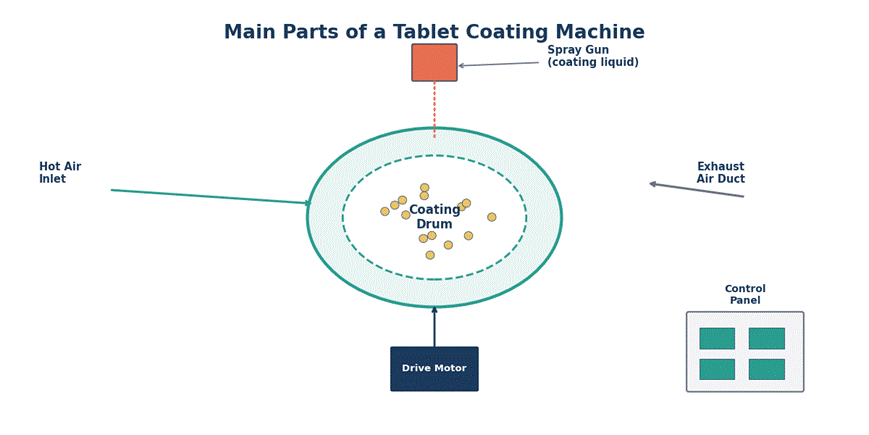
Main parts of a typical tablet coating machine, including the drum, spray gun, hot air inlet, and exhaust duct.
Why Do We Coat Tablets?
Coating is not just for looks. There are several practical reasons manufacturers add a coating layer to tablets:
- Better taste and smell: Many drugs taste bitter or unpleasant. A coating hides this so the tablet is easier to swallow.
- Protection from moisture and air: Some active ingredients break down when exposed to humidity or oxygen. A coating acts like a shield.
- Controlled drug release: Special coatings can delay where a tablet dissolves, such as releasing the drug only in the intestine instead of the stomach.
- Easier to swallow: A smooth, coated tablet slides down more comfortably than an uncoated, rough one.
- Attractive appearance: Color and shine make the product look more trustworthy and professional on the shelf.
- Reduced dust and handling issues: Coating can reduce tablet dust during packing and transport.
Health and safety bodies also pay close attention to coating quality. The
Manufacturers generally follow guidance from bodies such as the World Health Organization’s Good Manufacturing Practices standards to make sure coated tablets remain safe, consistent, and effective across every batch produced.
Types of Tablet Coating
Not every tablet is coated the same way. The type of coating depends on the drug, the desired look, and how the tablet needs to behave once swallowed. Here are the main types you will come across.
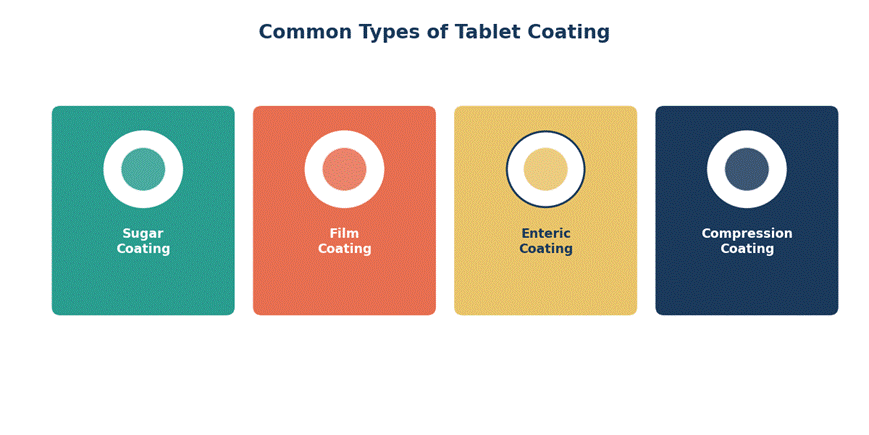
The four most common types of tablet coating used in the pharmaceutical industry.
Sugar Coating
This is one of the oldest coating methods. Layers of sugar syrup are applied to the tablet again and again until a thick, smooth, and shiny shell forms. It gives a pleasant taste and a glossy finish, but it takes longer than other methods and adds noticeable weight and size to the tablet.
Film Coating
Film coating is the most common method used today. A thin polymer-based film, usually just a few micrometers thick, is sprayed onto the tablet. It dries quickly, adds very little extra weight, and can be colored easily. Most tablets you see in pharmacies today use film coating.
Enteric Coating
Enteric coated tablets are designed to survive the acidic environment of the stomach and only dissolve once they reach the intestine. This protects the stomach lining from irritation and protects certain drugs that would otherwise break down in stomach acid. Aspirin is a well-known example of a drug that often uses enteric coating.
Compression Coating
Instead of spraying a liquid, compression coating presses a dry powder layer around a tablet core using a special tablet press. This method is useful when two different drug release rates are needed in a single tablet, such as an immediate release outer layer and a slow release core.
Main Parts of a Tablet Coating Machine
Even though designs vary between manufacturers, most tablet coating machines share the same core parts. The table below explains what each part does.
| Part | Function |
| Coating Drum (Pan) | Holds and rotates the tablets so every piece gets even exposure to spray and air |
| Spray Gun / Nozzle | Sprays the coating liquid onto the moving tablet bed in a fine, controlled mist |
| Peristaltic Pump | Pumps the coating liquid from the tank to the spray gun at a steady, adjustable rate |
| Hot Air Inlet | Supplies warm, filtered air into the drum to dry the coating as it is applied |
| Exhaust System | Pulls moist air and fine particles out of the drum, keeping the process clean |
| Drive Motor | Rotates the drum at a set speed so tablets tumble gently and evenly |
| Control Panel | Lets the operator set spray rate, drum speed, and air temperature, and monitor the batch |
How a Tablet Coating Machine Works, Step by Step
The coating process may look complex from the outside, but it follows a clear, repeatable sequence. Here is what happens inside the machine from start to finish.
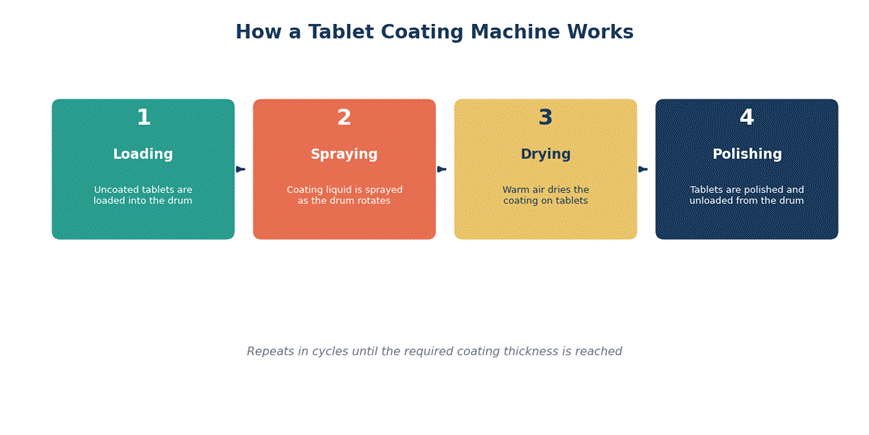
The four main stages of the tablet coating process: loading, spraying, drying, and polishing.
Step 1: Loading the Tablets
Uncoated tablets, sometimes called tablet cores, are loaded into the drum. The drum begins to rotate slowly so the tablets settle into an even bed before spraying starts.
Step 2: Spraying the Coating Liquid
The coating liquid, which may contain polymers, colors, and other additives dissolved or suspended in a solvent, is pumped through the spray gun. It is released as a fine mist over the tumbling tablets.
Step 3: Drying with Warm Air
As the tablets keep tumbling, warm air flows through the drum. This dries the sprayed liquid before it can make the tablets stick together. Spraying and drying happen almost at the same time, not one after the other.
Step 4: Polishing and Unloading
Once the coating reaches the required thickness, usually checked by weight gain, the spraying stops. The tablets may go through a short polishing phase to bring out shine, then the drum is emptied and the finished tablets move on to inspection and packaging.
This full cycle can repeat many times within a single batch, especially for sugar coating, which needs several thin layers to build up the final shell.
Benefits of Using a Tablet Coating Machine
Investing in a proper tablet coating machine brings real, measurable advantages to a production line:
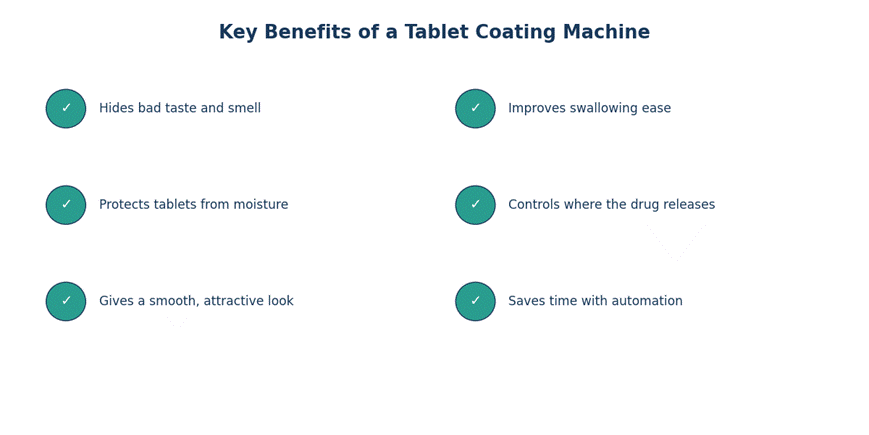
Key benefits manufacturers get from using a tablet coating machine in production.
- Consistency across batches: Automated spray rate and drum speed mean every tablet in a batch gets nearly the same coating thickness.
- Faster production: Automated machines coat large batches far quicker than manual dipping or brushing methods.
- Less material waste: Controlled spraying reduces the amount of coating liquid lost compared to older manual techniques.
- Better product protection: A properly applied coating shields tablets from moisture, light, and handling damage.
- Improved patient experience: Smoother, better tasting tablets are easier for patients to take, which can support treatment routines.
- Regulatory compliance: Modern machines with data logging help manufacturers meet quality standards and keep clear batch records.
Applications of Tablet Coating Machines
While tablet coating is closely linked to medicine, its use goes beyond just pharmaceuticals.
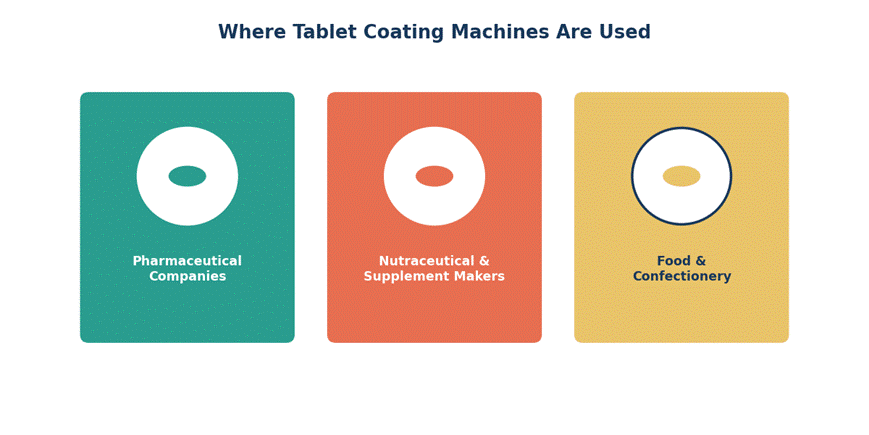
Tablet coating machines are used across pharmaceutical, nutraceutical, and food industries.
Pharmaceutical Industry
This is the biggest user of tablet coating machines. Painkillers, antibiotics, vitamins, and countless other medicines pass through a coating machine before they reach the pharmacy shelf. Coating here is closely tied to drug performance, not just appearance.
Nutraceutical and Supplement Industry
Vitamin tablets, mineral supplements, and herbal tablets are often coated to improve taste, extend shelf life, and give the product a more polished, trustworthy look.
Food and Confectionery Industry
Some food products, like coated candies and certain confectionery tablets, use similar coating principles, although the equipment and materials are adapted for food safety standards rather than pharmaceutical ones.
Key Factors to Consider When Buying a Tablet Coating Machine
If you are planning to buy or upgrade a tablet coating machine, keep these points in mind:
- Batch size: Match the drum capacity to your typical production volume, not just your biggest possible order.
- Type of coating you need: Confirm the machine supports film, sugar, or enteric coating as required.
- Spray system quality: Look for adjustable, reliable spray guns and pumps for consistent results.
- Air handling system: Good drying airflow prevents tablets from sticking and speeds up production.
- Ease of cleaning: A machine that is simple to clean between batches saves time and reduces contamination risk.
- Automation and controls: Digital controls with data logging help with quality checks and regulatory records.
- After-sales support: Spare parts availability and technical support matter over the life of the machine.
Common Problems and How to Fix Them
Even well-maintained machines can run into issues. Here are common coating problems and simple fixes.
| Problem | Likely Cause | Simple Fix |
| Tablets sticking together | Drying air too low or spray rate too high | Increase air temperature or reduce spray rate |
| Rough or uneven coating | Drum speed too slow or uneven tablet bed | Adjust drum speed and check tablet loading |
| Coating cracking or peeling | Coating dried too fast or applied too thick | Lower drying temperature and apply thinner layers |
| Color is patchy | Spray gun blocked or positioned poorly | Clean spray nozzle and check spray angle |
| Tablets chipping | Drum rotating too fast or tablets too fragile | Reduce drum speed and check tablet hardness |
Tablet Coating Machine vs Manual Coating
Some very small operations still coat tablets by hand, but the difference in quality and speed is significant.
| Factor | Tablet Coating Machine | Manual Coating |
| Speed | Coats large batches quickly | Slow, limited to small quantities |
| Consistency | Even coating across all tablets | Uneven, depends on operator skill |
| Material waste | Low, controlled spray | High, more liquid lost |
| Hygiene | Enclosed, cleaner process | Higher risk of contamination |
| Cost over time | Higher upfront cost, lower per-unit cost | Low upfront cost, higher labor cost |
Latest Trends in Tablet Coating Technology
Tablet coating technology keeps improving. Some trends worth knowing about include:
- Smart sensors: New machines use sensors to monitor coating thickness in real time instead of relying only on weight checks.
- Water-based coatings: Manufacturers are shifting away from solvent-based coatings toward water-based ones for safety and environmental reasons.
- Continuous manufacturing: Some facilities now use continuous coating lines instead of traditional batch processing, cutting production time.
- Better data tracking: Digital batch records make it easier to trace quality issues and meet compliance requirements.
Researchers continue to study coating formulations and techniques in detail. Readers who want peer-reviewed studies on coating materials and drug release can search PubMed, which hosts a large number of published papers on this topic.
Frequently Asked Questions
What is the main purpose of a tablet coating machine?
Its main purpose is to apply an even, controlled layer of coating over tablets, which can improve taste, protect the drug, control release, and improve appearance.
How long does the tablet coating process take?
It depends on the type of coating and batch size. Film coating may take one to a few hours, while sugar coating, which needs many thin layers, can take much longer.
Can one machine apply different types of coating?
Many modern machines can handle film and sugar coating with the right settings, but enteric and compression coating sometimes need specific equipment or attachments.
Is tablet coating only used in the pharmaceutical industry?
No. While pharmaceuticals are the largest user, nutraceutical and certain food or confectionery products also use similar coating equipment.
What standards do manufacturers follow for tablet coating?
Manufacturers generally follow Good Manufacturing Practice guidelines. In the United States, the U.S. Food and Drug Administration publishes relevant guidance, and pharmacopeial standards from organizations such as the United States Pharmacopeia are also widely used as reference points for quality.
How do I know if a tablet is properly coated?
A properly coated tablet has a smooth, even surface with consistent color, no visible cracks, and a weight gain within the expected target range set for that batch.
Conclusion
A tablet coating machine may seem like a small part of the manufacturing process, but it has a big impact on how a tablet looks, tastes, and performs once it reaches the patient or consumer. From protecting sensitive drugs to improving how a product is swallowed, coating plays a real, practical role.
Whether you are new to the topic or looking to buy equipment for your own production line, understanding the working principle, the types of coating, and what to look for in a machine will help you make better decisions. As technology keeps advancing, tablet coating machines will only get smarter, faster, and more precise.
People also interested in these Articles
- Pharma QA vs QC Difference
- Top 100 Pharma QA Interview Questions and Answers
- How to Introduce Yourself in Job Interviews
- M Pharm Career Options: A Complete Guide to Jobs After Master of Pharmacy
- Gas Chromatography: Principles, Working, Components, Applications, Advantages & Limitations
- UV Spectroscopy: Principle, Instrumentation, Working, Applications, Advantages & Limitations (Complete Guide)
- Fluid Bed Dryer (FBD): Working Principle, Diagram, Operation, Advantages, and Disadvantages
- Table Compression Machine: Complete Guide to Working Principle, Types, Parts, Applications, and Maintenance
- Pharmaceutical Packaging Types: A Complete Guide