So you’ve just finished your B.Pharm and now you’re wondering what comes next. A lot of pharmacy graduates jump straight into private companies, but there’s a whole world of government pharma jobs that most students don’t explore properly. These jobs come with something private companies rarely offer these days: real job security, a steady pension, and a pay scale that only goes up with time.
In this post, we’ll walk through the top 10 government pharma jobs you can go for right after B.Pharm, what each job actually involves, and how you can start preparing for them. No confusing jargon, just plain information you can actually use.
Why Go for a Government Job After B.Pharm?
Before we jump into the list, let’s quickly talk about why a government pharma job is worth the extra effort of exam preparation.
- Job security – once you’re in, you’re in. No fear of sudden layoffs.
- Fixed working hours – most government pharma jobs don’t ask you to work late nights.
- Good pay scale – salaries rise every year with increments and grade pay.
- Pension and other benefits – medical cover, provident fund, and retirement benefits.
- Social respect – a government pharmacist post still carries a lot of weight in Indian society.
Government pharma jobs open up after B.Pharm across hospitals, railways, defence and more.
Top 10 Government Pharma Jobs in India After B.Pharm
Here’s the list you came for. These are ranked roughly by how commonly B.Pharm graduates apply for them, not strictly by salary.
1. Drug Inspector
A Drug Inspector checks whether medicines being made and sold in the market follow quality and safety rules. You’ll be visiting pharmacies, manufacturing units, and warehouses to make sure nothing fake or substandard is being sold. This post is usually filled through State Public Service Commissions or the SSC, and it needs a B.Pharm along with some work experience in most states.
2. Pharmacist in Government Hospitals
This is the most common route. Government hospitals run by state health departments regularly hire pharmacists to manage the pharmacy counter, keep stock records, and guide patients on how to take their medicines. Recruitment usually happens through SSC or state health department exams, and openings come up almost every year.
3. Pharmacist in Indian Railways
Indian Railways runs its own hospitals for employees and their families, and each one needs pharmacists. The Railway Recruitment Board (RRB) conducts a dedicated exam for this post. Along with a decent salary, you also get railway staff benefits like free travel passes.
4. Pharmacist in Defence Services (Army, Navy, Air Force)
The Armed Forces Medical Services (AFMS) hires pharmacists to work in military hospitals and field units. It’s a slightly different work environment since you may be posted anywhere in the country, but the pay, allowances, and pride that come with serving the defence forces make it a popular choice.
5. Pharmacist in ESIC (Employees’ State Insurance Corporation)
ESIC runs a large network of hospitals and dispensaries for insured workers and their families. Pharmacist vacancies here are filled through SSC exams, and the work is quite similar to a regular hospital pharmacist role, just under a different administrative body.
6. Technical Assistant or Scientist in CDSCO
The Central Drugs Standard Control Organisation (CDSCO) is the national body that approves new drugs and monitors drug safety across India. B.Pharm graduates can apply for technical assistant or junior scientist posts here, usually through UPSC or CDSCO’s own recruitment drives. It’s more of a desk and lab-based role compared to a hospital pharmacist.
7. Pharmacist in Public Sector Undertakings (PSUs)
Government-owned companies like ONGC, Coal India, BHEL, and similar PSUs run medical units for their employees and hire pharmacists directly. Each PSU has its own recruitment process and exam, so you’ll need to keep an eye on individual company notifications.
8. Pharmacist in Municipal Corporations
City municipal corporations run dispensaries and small hospitals for local residents, and they need pharmacists too. These posts are usually advertised locally, and competition is often a bit lower compared to national-level exams.
9. Drug Analyst in Government Drug Testing Laboratories
Every state has a drug testing laboratory that checks samples of medicines for quality before they’re allowed to be sold. A Drug Analyst post here suits B.Pharm graduates who enjoy lab work more than dealing with patients directly.
10. Pharmacist in AIIMS and Central Government Hospitals
Institutions like AIIMS conduct their own separate recruitment exams for pharmacists. These are considered prestigious postings because of the reputation of the institute, the exposure you get, and the pay scale that comes with central government posts.
Quick Comparison Table
| Job Role | Recruiting Body | Approx. Monthly Pay |
| Drug Inspector | SSC / State PSC | Rs 44,900 – 1,42,400 |
| Hospital Pharmacist | SSC / State Health Dept. | Rs 29,200 – 92,300 |
| Railway Pharmacist | RRB (Railway Recruitment Board) | Rs 29,200 – 92,300 |
| Defence Pharmacist | AFMS / Indian Army | Rs 29,200 – 92,300 |
| ESIC Pharmacist | ESIC (SSC exam) | Rs 29,200 – 92,300 |
| CDSCO Technical Assistant | CDSCO / UPSC | Rs 35,400 – 1,12,400 |
| PSU Pharmacist | Individual PSU exams | Rs 30,000 – 95,000 |
| Municipal Pharmacist | Municipal Corporation | Rs 25,500 – 81,100 |
| Drug Analyst | State Drug Testing Lab | Rs 35,400 – 1,12,400 |
| AIIMS Pharmacist | AIIMS (direct exam) | Rs 29,200 – 92,300 |
Note: Pay scales above are approximate 7th Pay Commission ranges. Actual in-hand salary depends on grade pay, city allowance, and department.
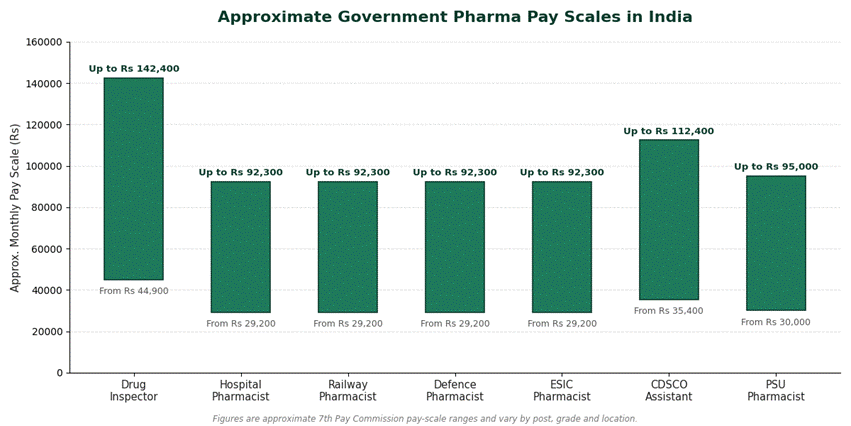
Most government pharmacist posts follow similar pay-scale bands, with senior posts paying more.
How to Prepare for Government Pharmacist Exams
Getting a government pharma job isn’t just about having a B.Pharm degree. You need to clear a written exam, and sometimes an interview too. Here’s a simple approach that works for most of these exams.
Understand the Exam Pattern
Every recruiting body has its own syllabus, but most exams test similar areas: pharmacology, pharmaceutics, pharmaceutical chemistry, general knowledge, and reasoning. Start by downloading the official syllabus for the exam you’re targeting so you don’t waste time studying the wrong topics.
Build a Study Schedule
Don’t try to study everything at once. Break your syllabus into small weekly goals and revise older topics every weekend. Two to three focused hours a day, done consistently, will take you further than random long study sessions once in a while.
Practice Previous Papers
Previous year papers tell you exactly what kind of questions to expect. Solve as many as you can find, and time yourself while doing it. This also helps you get comfortable with the exam format so you don’t panic on the actual test day.
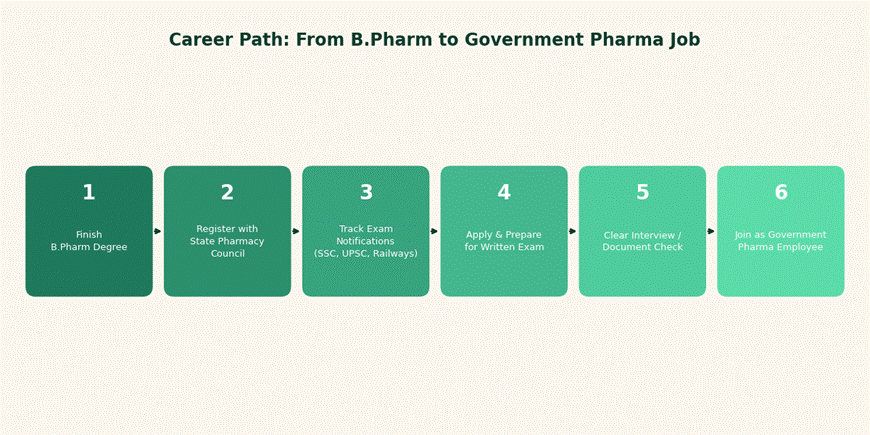
A simple step-by-step path from finishing B.Pharm to joining a government pharma post.
Skills That Help You Get Selected
Apart from subject knowledge, a few soft skills quietly make a big difference in these exams and interviews.
- Basic computer knowledge, since most government departments now use digital record systems.
- Good communication skills, especially for hospital and patient-facing roles.
- Attention to detail, which matters a lot in drug inspection and lab analyst roles.
- Time management, both for exam preparation and for the job itself.
Final Thoughts
A government pharma job after B.Pharm isn’t easy to get, but it’s absolutely worth the effort. The exams are competitive, but they’re not impossible if you prepare with a clear plan. Pick two or three of the roles from this list that genuinely interest you, check their eligibility criteria carefully, and start preparing early.
You can check registration requirements directly on the Pharmacy Council of India website, and keep an eye on the Staff Selection Commission website for upcoming pharmacist recruitment notifications.
Frequently Asked Questions
Is B.Pharm enough for government pharmacist jobs?
Yes, in most cases B.Pharm along with valid registration from your State Pharmacy Council is enough to apply. Some posts may ask for a bit of work experience as well.
Which government pharma job pays the highest starting salary?
Posts like Drug Inspector, CDSCO Technical Assistant, and Drug Analyst generally start at a higher pay grade compared to a regular hospital pharmacist post.
Do I need to prepare separately for each exam?
Not entirely. The core subjects overlap across most exams, so one solid preparation base covers you for multiple recruitment drives. You’ll just need to adjust for exam-specific topics like general knowledge or reasoning.
How often do these government pharma vacancies come out?
It varies by department, but most bodies like SSC, Railways, and State Health Departments release pharmacist vacancies almost every year. Following official notification pages regularly is the best way to stay updated.