Learn about pharmaceutical packaging, including its types, materials, safety features, regulations, and latest trends. Discover how secure packaging protects medicines from damage, contamination, and quality loss while ensuring safe delivery to patients.
Why Pharmaceutical Packaging Matters
Good packaging is not just about looks. It plays a direct role in patient safety. Here is why it matters so much:
- Protection: It keeps the medicine safe from heat, light, air, and germs.
- Safety: It stops children from opening bottles by accident.
- Information: It carries the dosage, expiry date, and warnings.
- Trust: Tamper-evident seals show buyers the product was not opened before.
- Shipping: Strong outer packaging keeps medicine safe while it travels from the factory to the store.
Main Types of Pharmaceutical Packaging
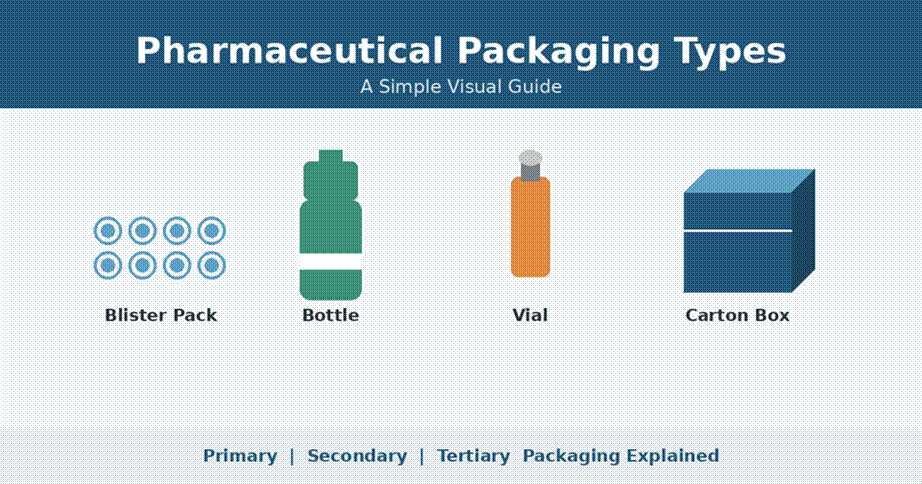
Pharmaceutical packaging is usually grouped into three levels: primary, secondary, and tertiary. Each level has its own job. The table below gives a quick summary before we look at each type in detail.
| Packaging Level | Purpose | Common Examples |
| Primary Packaging | Touches the medicine directly and protects it | Blister packs, bottles, vials, ampoules, sachets, tubes |
| Secondary Packaging | Holds primary packs and gives product information | Cartons, folding boxes, printed leaflets |
| Tertiary Packaging | Used for bulk handling, storage, and transport | Shipping boxes, pallets, shrink wrap |
1. Primary Packaging
Primary packaging is the layer that touches the medicine directly. This is the most important layer because it must keep the drug pure and safe until it is used. Common examples include:
- Blister Packs: Small plastic and foil pockets that hold one tablet or capsule at a time. They keep each dose sealed until you press it out.
- Bottles: Made of glass or plastic, used for tablets, capsules, syrups, and drops.
- Vials: Small glass or plastic containers used for injectable medicine.
- Ampoules: Sealed glass containers that hold a single dose of liquid medicine, often broken open at the neck.
- Sachets: Small sealed pouches used for powders, granules, or single-use creams.
- Tubes: Used for ointments, gels, and creams.
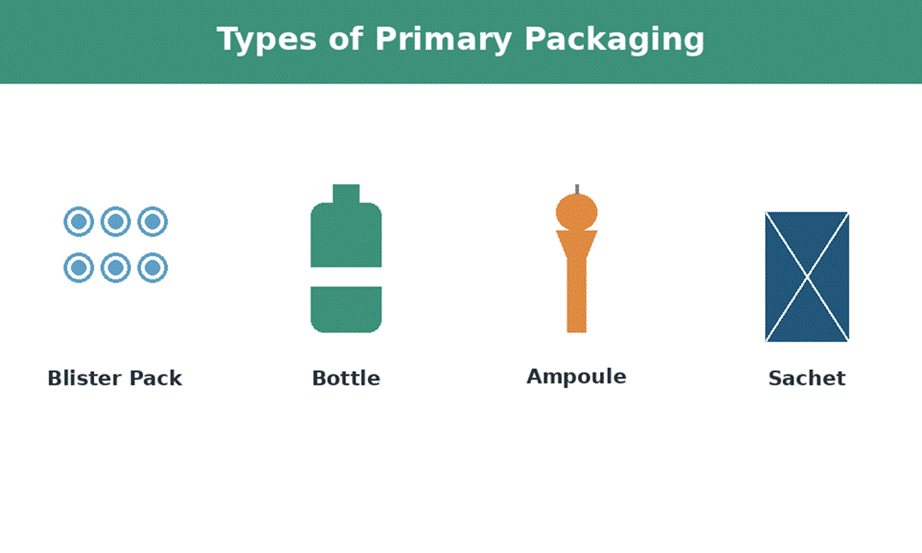
Common types of primary pharmaceutical packaging: blister pack, bottle, ampoule, and sachet.
2. Secondary Packaging
Secondary packaging does not touch the medicine. Instead, it holds one or more primary packs together. It is the box or carton you see on the store shelf. This layer usually carries the brand name, batch number, barcode, and a printed leaflet with dosage details. It also adds an extra layer of protection during handling and shipping.
3. Tertiary Packaging
Tertiary packaging is used mainly for bulk handling and transport. It is not seen by the person buying the medicine. This includes large shipping boxes, pallets, and shrink wrap that keep many cartons together and safe while moving from the factory to warehouses and pharmacies.
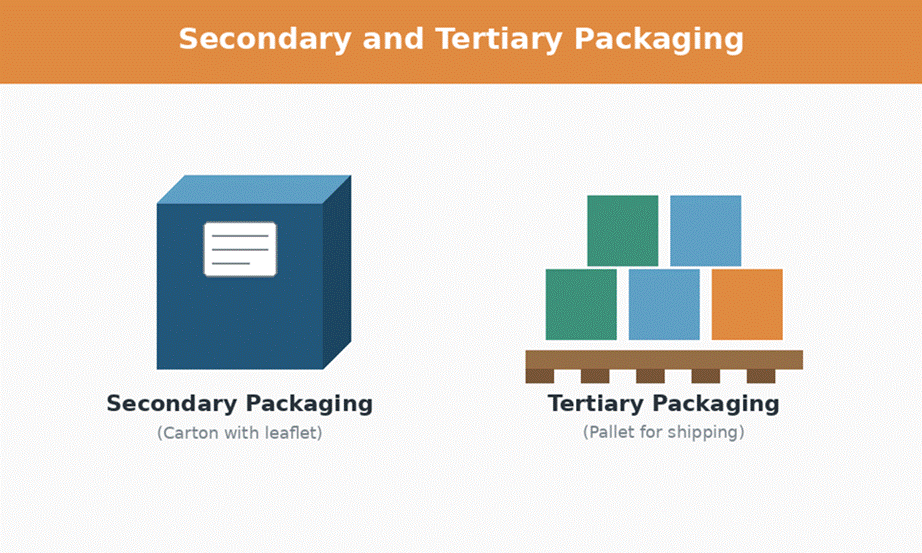
Secondary packaging (carton with leaflet) and tertiary packaging (pallet for bulk shipping).
Materials Used in Pharmaceutical Packaging
The choice of material depends on the type of medicine, how long it needs to stay fresh, and cost. Here are the most common materials used across the industry:
| Material | Best For | Key Benefit |
| Glass | Injectable drugs, syrups | Does not react with medicine |
| Plastic (PET, HDPE) | Tablets, capsules, liquids | Light in weight and low cost |
| Aluminum Foil | Blister packs, strips | Blocks light, air, and moisture |
| Paperboard | Cartons and boxes | Easy to print and recycle |
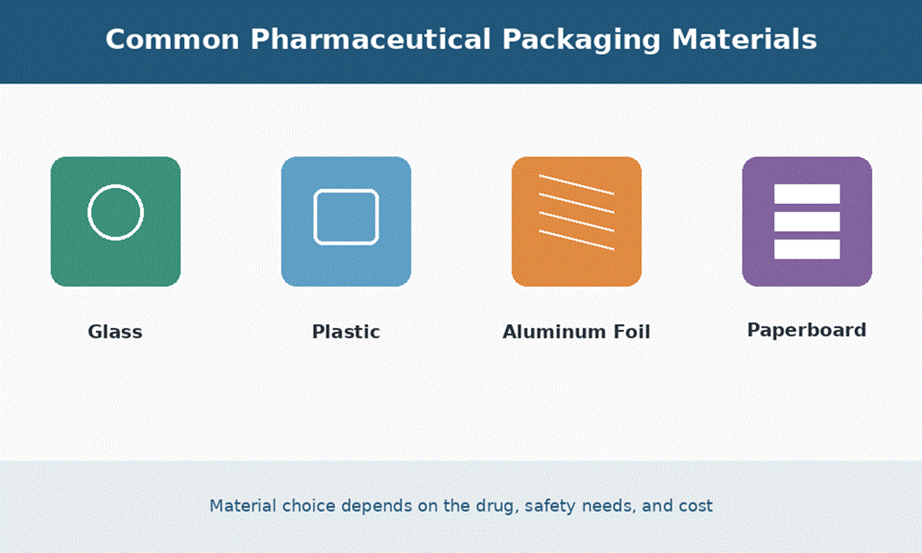
Glass, plastic, aluminum foil, and paperboard are the most common pharmaceutical packaging materials.
Child-Resistant and Tamper-Evident Packaging
Beyond the three main levels, pharmaceutical packaging often includes special safety features:
- Child-Resistant Packaging: Caps or wraps that are hard for young children to open but still easy for adults. This lowers the risk of accidental poisoning at home.
- Tamper-Evident Packaging: Seals, bands, or shrink wrap that show a clear sign if the pack has been opened before it reaches the buyer.
- Unit-Dose Packaging: Each tablet or dose is sealed on its own, which is common in hospitals to reduce dosing mistakes.
These safety features are now a standard part of packaging design in most countries, and many are required by law.
Rules and Standards for Pharmaceutical Packaging
Pharmaceutical packaging is not designed freely. It must follow strict rules set by health authorities to protect patients. Some of the key bodies and standards include:
US FDA: Sets rules on labeling, child-resistant closures, and packaging material safety in the United States. See FDA.gov for official guidance.
World Health Organization (WHO): Publishes global guidelines on good packaging practices for medicine. See WHO.int for more information.
ISO Standards: International bodies like ISO.org set quality standards for packaging materials and testing methods used across the world.
Following these rules helps companies sell medicine in different countries and, most importantly, keeps patients safe.
New Trends in Pharmaceutical Packaging
The packaging industry keeps changing as new needs come up. A few trends worth knowing about:
- Sustainable Packaging: More companies are moving to recyclable and biodegradable materials to cut down plastic waste.
- Smart Packaging: Some packs now include sensors or QR codes that let patients and pharmacists track the medicine and confirm it is genuine.
- Compact Designs: Smaller and lighter packs reduce shipping cost and storage space.
- Better Labels: Clearer fonts and larger text help patients, especially older adults, read dosage instructions with ease.
How to Choose the Right Pharmaceutical Packaging
Choosing the right packaging is not a simple task. Companies usually think about a few key points before deciding:
- Type of medicine: liquid, tablet, powder, or injectable
- How sensitive the drug is to light, air, or moisture
- Shelf life needed for the product
- Cost of the material and production
- Local packaging laws and safety rules
- Ease of use for the patient, including elderly or disabled users
Getting this choice right protects the medicine and builds trust with patients and doctors alike.
Frequently Asked Questions
What are the 3 main types of pharmaceutical packaging?
The three main types are primary, secondary, and tertiary packaging. Primary packaging touches the medicine directly, such as a bottle or blister pack. Secondary packaging is the carton that holds the primary pack. Tertiary packaging is used for shipping, like a shrink-wrapped pallet.
Why is child-resistant packaging important?
Child-resistant packaging stops young children from opening medicine bottles on their own. It lowers the risk of accidental poisoning at home while still allowing adults to open the pack without much trouble.
What is the difference between primary and secondary packaging?
Primary packaging is in direct contact with the drug, like a vial or strip. Secondary packaging does not touch the drug. It wraps around the primary pack and carries the brand name, dosage instructions, and barcode.
Which material is best for pharmaceutical packaging?
There is no single best material. Glass is great for injectable drugs. Plastic works well for tablets and liquids. Aluminum foil is ideal for blister packs because it blocks light and moisture. The right choice depends on the type of medicine.
What is tamper-evident packaging?
Tamper-evident packaging has a seal, band, or shrink wrap that shows a clear sign if someone has opened or touched the pack before it reaches the buyer. It helps buyers trust that the medicine inside is safe and untouched.
What rules control pharmaceutical packaging?
Pharmaceutical packaging must follow rules set by health authorities such as the FDA in the United States and the WHO at a global level. These rules cover labeling, child safety, material safety, and storage conditions.
Is pharmaceutical packaging recyclable?
Some parts are recyclable, such as paperboard cartons and certain plastics. However, blister packs that mix plastic and foil are harder to recycle. Many companies are now working on greener packaging options.
Conclusion
Pharmaceutical packaging plays a much bigger role than most people realize. From the small blister pack in your bag to the pallet that ships medicine across the world, each layer of packaging works to keep drugs safe, pure, and easy to use. Knowing the difference between primary, secondary, and tertiary packaging, along with the safety features and materials involved, helps everyone in the supply chain make better choices. As the industry moves toward greener and smarter packaging, patients can expect even safer and more convenient medicine packs in the years ahead.
Related Articles
- What Is Blister Packaging and How Does It Work?
- Child-Resistant Packaging: Rules and Best Practices
- A Guide to Good Manufacturing Practices (GMP) in Pharma
- Sustainable Packaging Trends in the Healthcare Industry